
Stability, Selectivity, and Strategic Opportunity
As we head into 2026, the Chicago suburban commercial real estate market is starting to find its footing again. Inflation has cooled, borrowing conditions are improving, and the market is shifting out of reaction mode and into re-stabilization. After two years of recalibration in 2024 and 2025, 2026 is shaping up to be a year of selective growth—where steady tenant demand and smart, strategic repositioning open the door to new opportunities across industrial, retail, office, and self-storage.
Retail:
Experience Wins & Suburban Centers Thrive
Despite headlines predicting retail decline, the suburbs continue experiencing a retail renaissance driven by population stability, strong consumer spending, and evolving tenant mixes.
2026 Retail Realities
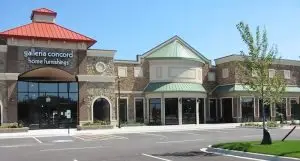
- Neighborhood and community centers remain strong, particularly those anchored by grocery, medical, or service-oriented tenants.
- Fitness, health & wellness, and restaurant concepts continue expanding into the suburbs.
- Second-generation restaurant and retail spaces remain highly sought after, drastically reducing buildout costs for tenants.
- High-amenity suburbs like Naperville, Oak Brook, St. Charles, and Orland Park lead in rent growth and tenant demand.
- Adaptive reuse remains a major storyline: empty big-box and older retail footprints are being reimagined for self-storage, medical, entertainment, and flex industrial.
Outlook
2026 retail is positioned for modest rent increases, strong leasing velocity, and expanding tenant categories. Well-placed suburban centers with parking, visibility, and traffic counts continue to outperform.
Industrial:
Still the Suburban Powerhouse
Industrial remains the strongest asset class in Chicago’s suburban markets — though the pace has shifted from the rapid-fire leasing of the past few years to a healthier, more sustainable rhythm.
Key 2026 Industrial Trends
- Vacancy
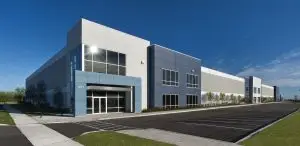 remains tight in core infill submarkets such as Naperville, Woodridge, Downers Grove, Addison, and Elk Grove Village.
 - New supply is limited, especially for mid-size users seeking 20,000–75,000 SF, creating a landlord-favorable environment.
- Manufacturing and specialty production tenants are expanding again, attracted by Chicago’s labor accessibility and transportation network.
- Flight to quality continues: tenants prefer modern clear heights, updated docks, and efficient mechanical systems.
- Owner-users are back, thanks to slowly easing interest rates and the need to secure long-term operational stability.
Outlook
Expect steady rent growth, low turnover, and strong owner-user demand — particularly for well-located assets along the I-55 and I-88 corridors. Properties with functional layouts, trailer parking, and updated infrastructure will command the most attention.
Office:
Stabilizing, But Still a Tenant’s Market
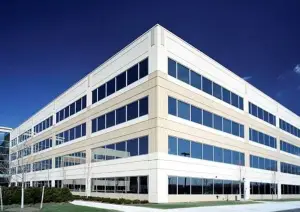
Suburban office is stabilizing, but the sector remains highly bifurcated.
2026 Office Trends
- Companies are downsizing, but not abandoning office — instead prioritizing quality, amenities, and hybrid-friendly layouts.
- Medical office remains the standout performer, driven by demographic demand and increased outpatient care.
- Commodity suburban office continues to struggle unless upgraded or repurposed.
- Suburban workforce trends favor “near-home” office decisions: companies want accessible locations without downtown commutes.
Outlook
Expect a “flight to quality” to continue. Well-located Class A suburban buildings with parking, walkability, and amenities will retain tenants; older assets face pressure to renovate or reposition into alternative uses such as medical, flex, or even residential redevelopment.
Self-Storage:
A Quiet Winner in Suburban Markets
Self-storage continues to outperform as demand remains recession-resistant and conversions increase.
What’s driving demand?
- Housing turnover and downsizing
- Increased suburban multifamily development
- Adaptive reuse of big-box retail
- Investor appetite for stable, inflation-resistant assets
Outlook
Expect continued expansion, competitive bidding, and cap rate compression in prime locations — especially where zoning is favorable or big-box redevelopment is possible.

Investment Market:
Capital Is Selective — But Curious Again
The investment climate in 2026 is defined by lower rates, cautious underwriting, and renewed buyer interest.
Key Themes
- Investors are returning to the table after sitting out much of 2024–25.
- Industrial and self-storage see the strongest demand.
- Multi-tenant retail centers with stable anchors remain desirable.
- Buyers prioritize stable cash flow over speculative plays.
- Cap rates are stabilizing, with slight downward movement anticipated if interest rates continue their gentle decline.
Outlook
Capital is flowing — selectively. Well-maintained suburban properties with strong tenant rosters are attracting competitive offers. Owners considering a sale in late 2026 or 2027 should begin preparing now.
Final Takeaway: 2026 = Strategic Opportunity
If 2025 was the reset, 2026 is the rebuild.
Commercial real estate in Chicago’s suburbs is entering a period defined by:
- Stability over speculation
- Demand driven by functionality and convenience
- Selective capital seeking high-quality assets
- Adaptive reuse opportunities across retail and office
- Continued industrial strength and suburban tenant resilience
Owners, investors, and tenants who act early — before competition intensifies — will be best positioned to capitalize on strengthening fundamentals.